
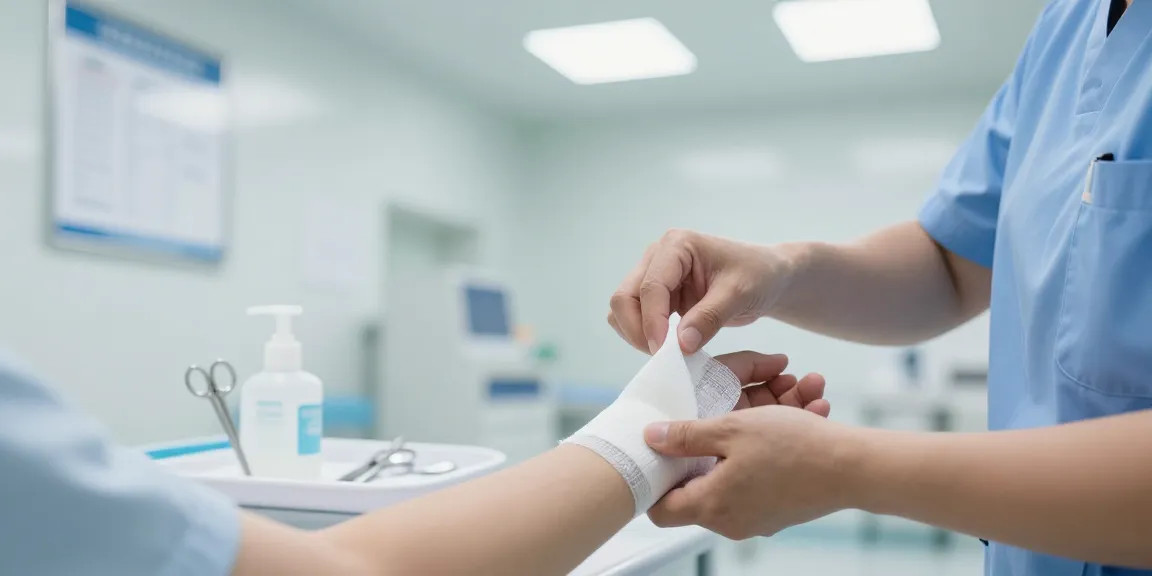
Understanding Medical Gauze in Modern Healthcare
Medical gauze is a crucial component in wound care, serving as a primary tool for both healthcare professionals and patients alike. With its multifaceted applications, gauze plays an integral role in protecting wounds, facilitating healing processes, and enhancing overall patient outcomes. In a landscape increasingly focused on quality healthcare solutions, understanding the types, uses, and innovations surrounding medical gauze is essential for effective wound management.
What is Medical Gauze?
Medical gauze is a loosely woven fabric commonly made from cotton or synthetic fibers, designed to dress wounds. Its primary functions include absorbing exudate, protecting wounds from external contaminants, and promoting a moist healing environment. Medical gauze comes in various sizes and forms, including sterile and non-sterile options, catering to diverse medical needs. The history of gauze dates back centuries, with early forms utilized in ancient civilizations, and has evolved significantly with advancements in material science and healthcare practices.
Types of Medical Gauze Available
There are several types of medical gauze available in the market, each serving specific purposes:
- Plain Gauze: This is the most common form, used for general wound care and can be sterile or non-sterile.
- Absorbent Gauze: Designed to manage high levels of exudate from wounds, these variants are thicker and highly absorbent.
- Gauze Pads: Pre-cut pieces of gauze used for minor wounds or as a secondary dressing.
- Medicated Gauze: Infused with antiseptic solutions or medications to promote healing and reduce infection risk.
Common Uses in Wound Care
Medical gauze is utilized in a variety of healthcare settings, including hospitals, clinics, and home care. Some of its common uses are:
- Dressing post-surgical wounds
- Covering abrasions and lacerations
- Providing support to skin grafts
- Managing chronic wounds, such as diabetic ulcers
Innovations in Medical Gauze Technology
The domain of medical gauze is constantly evolving, with technological advancements paving the way for enhanced patient care. New materials and designs are being introduced to address specific clinical challenges effectively.
Smart Gauze: The Future of Wound Monitoring
Smart gauze represents a groundbreaking shift in wound care management. Embedded with sensors and biosensors, this innovative technology allows real-time monitoring of wound conditions, including moisture levels and infection indicators. By providing healthcare providers with immediate data, smart gauze facilitates timely interventions that can significantly improve healing outcomes.
Biodegradable and Eco-Friendly Options
With a growing emphasis on sustainability, the healthcare industry is seeing the introduction of biodegradable medical gauze. Crafted from natural fibers that can decompose over time, these products reduce environmental impact while providing effective wound care. This eco-friendly approach not only benefits the planet but also aligns with a patient-centered focus on health and wellness.
Advancements in Anti-Bacterial Coatings
In response to rising antibiotic resistance, manufacturers are developing medical gauze with advanced anti-bacterial coatings. These coatings can help prevent infections without relying solely on traditional antibiotics. Innovations such as silver-infused gauze and other antimicrobial treatments are proving effective in reducing the incidence of wound infections, ultimately enhancing the safety and efficacy of wound care practices.
Best Practices for Effective Wound Management
Utilizing medical gauze effectively involves adherence to best practices in wound management, ensuring optimal healing environments and minimizing complications.
Step-by-Step Application Techniques
Applying medical gauze correctly is crucial for its effectiveness. Here is a step-by-step guide:
- Clean the wound gently with saline or an antiseptic solution.
- Apply any prescribed topical medications.
- Select the appropriate size and type of gauze.
- Place the gauze over the wound, ensuring full coverage.
- Secure the gauze in place with adhesive tape or a secondary dressing.
When to Change Medical Gauze
The frequency of changing medical gauze depends on several factors, including the type of wound and the amount of exudate. Generally, gauze should be changed when:
- The dressing becomes wet or soiled.
- Signs of infection are present.
- As directed by a healthcare professional.
Signs of Infection to Watch For
Identifying infection early can prevent complications. Healthcare providers and patients should be vigilant for symptoms such as:
- Increased redness around the wound
- Pain or swelling
- Pus or other discharge
- Fever or chills
Case Studies: Successful Outcomes with Medical Gauze
Real-world examples provide insight into the effectiveness of medical gauze in various situations.
Real-World Examples of Wound Healing
Numerous case studies highlight the success of medical gauze in promoting wound healing across different patient demographics. For instance, a case involving a diabetic patient with foot ulcers demonstrated significant improvement after transitioning to a specialized absorbent gauze. The patient experienced reduced exudate and improved healing time.
Patient Testimonials on Comfort and Efficacy
Patients often report increased comfort and reduced pain when using modern medical gauze types, especially those that are soft and breathable. Testimonials emphasize how the right gauze can enhance their healing journey, providing peace of mind and confidence during recovery.
Comparing Traditional vs. Innovative Gauze Solutions
A comparative analysis reveals that while traditional gauze still plays a vital role in wound care, innovative options often yield better results in terms of healing times and patient comfort. For example, a study comparing medicated gauze with standard options found that the former led to a 30% faster healing time in chronic wound cases.
The Future of Wound Care: Trends for 2026 and Beyond
As we look towards 2026, several trends are emerging that will shape the future of wound care.
Predicting Changes in Medical Gauze Usage
As awareness of advanced wound care continues to grow, it is anticipated that the demand for innovative medical gauze solutions will increase. Healthcare providers are likely to adopt more smart and biodegradable options, emphasizing both efficacy and sustainability in patient care.
Emerging Technologies in Wound Treatment
Technologies such as 3D printing and bioengineered materials are on the horizon, promising to revolutionize the way medical gauze is formulated and used. These advancements could lead to customized dressing solutions tailored to individual patient needs.
Healthcare Regulations and their Impact
Regulatory changes are expected to influence the manufacturing and distribution of medical gauze products. Increased scrutiny on materials used and a push for eco-friendly options will drive innovation in this area.
What are the latest advancements in surgical applications?
Recent innovations have also impacted surgical applications of medical gauze. New products designed for use in operating rooms focus on minimizing infection risk and improving surgical outcomes through advanced materials and coatings.
How will telemedicine influence gauze applications?
As telemedicine continues to expand, it is likely to influence wound care practices, including how medical gauze is recommended and monitored. Remote consultations can enhance patient education on gauze application and monitoring, allowing for more individualized care plans.

