Understanding Grocery Sales
What are Grocery Sales?
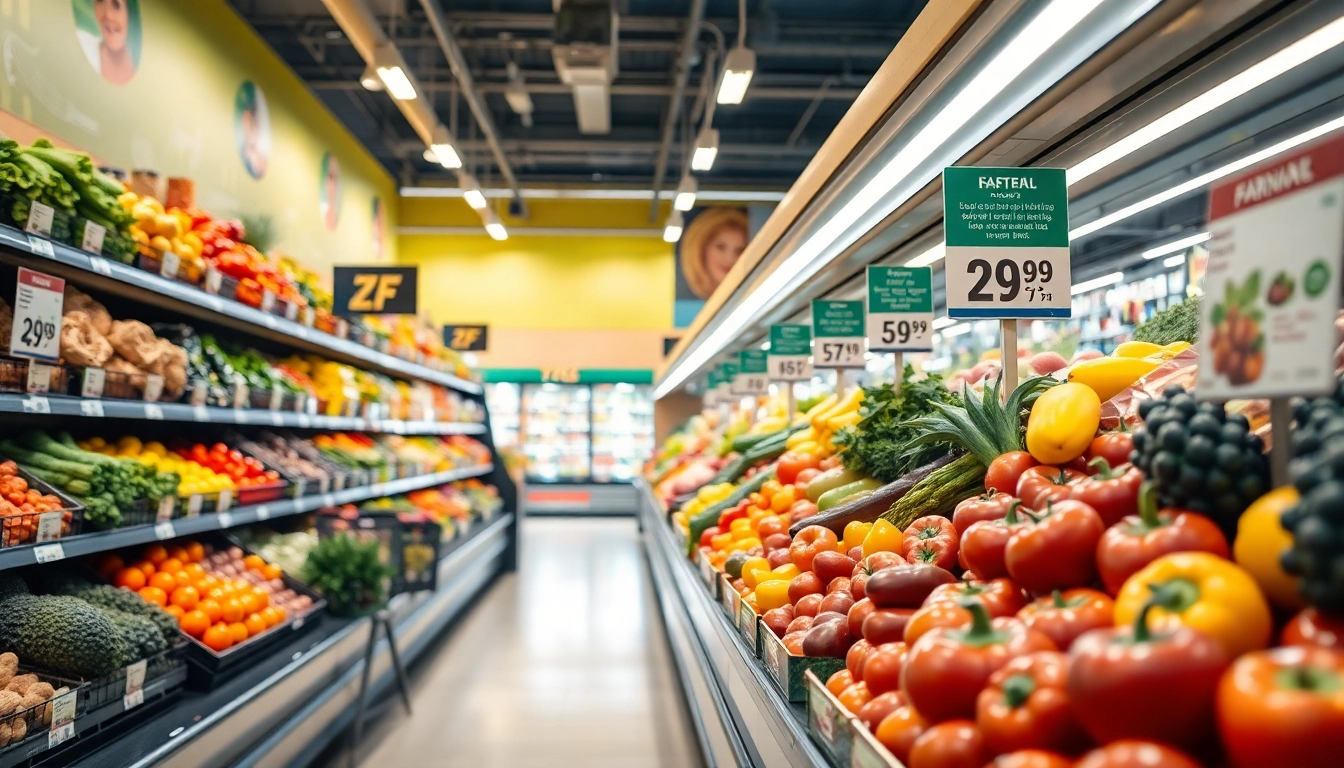
Grocery sales refer to discounted prices on food and household items found in supermarkets and grocery stores. These sales can occur for various reasons, including seasonal promotions, clearance of excess inventory, or marketing strategies aimed at attracting customers. Grocery sales are designed to facilitate access to essential goods at lower prices, benefiting consumers while assisting retailers in managing stock and increasing foot traffic.
Types of Grocery Sales
Understanding the different types of grocery sales is crucial for savvy shopping. Here are several common types:
- Weekly Sales: Stores often have specific items on sale each week, which can vary based on inventory and demand.
- Seasonal Promotions: During holidays or annual events, grocery stores typically offer discounts on relevant items, such as turkeys during Thanksgiving or barbecue supplies in summer.
- Clearance Sales: Outdated or nearly expired products may be offered at steep discounts to clear shelf space.
- Bogo (Buy One Get One) Deals: These compelling promotions offer customers a chance to receive a second item for free or at a reduced price when they purchase the first.
- Tiered Discounts: Some grocery stores offer discounts based on the number of items purchased. For instance, buying five items could yield a 10% discount.
Benefits of Shopping Sales
Shopping during grocery sales has numerous benefits that justify the extra effort of planning. Here are some key advantages:
- Cost Savings: The most apparent benefit is savings on grocery bills, allowing households to manage budgets more effectively.
- Varied Selection: Sales often include a wider range of products, enabling shoppers to try new items at lower risk.
- Meal Planning Efficiency: By purchasing discounted items, consumers can better plan meals around sales, reducing food waste.
- Encouragement of Bulk Buying: Sales can make bulk purchases more feasible, further maximizing savings and reducing the need for frequent shopping trips.
How to Find the Best Grocery Sales
Online Resources for Grocery Sales
The digital age has made it easier than ever to find grocery sales with numerous online platforms that provide information on discounts and promotions. Websites and apps dedicated to compiling grocery sales from various stores can save time and streamline your shopping experience. One way to navigate this landscape more effectively is through Grocery Sales platforms, where flyers and ads are made accessible at your convenience.
Weekly Ads and Promotions
Most supermarkets publish weekly ads that showcase sales and promotions for that week. These ads can be found online and in local newspapers, containing details on discounted products and special promotions. Regularly checking these ads can help consumers prepare their grocery list ahead of time, ensuring they capitalize on significant sales.
Using Apps to Track Sales
Several apps exist to help consumers track grocery sales. Many of these apps allow users to input their favorite stores, notify them of upcoming sales, and provide digital coupons. Some popular features include shopping lists, price comparisons, and reminders when prices drop on specified items. Leveraging technology can enhance grocery shopping efficiency.
Timing Your Grocery Purchases
Best Days to Shop for Grocery Sales
The timing of grocery shopping can significantly influence the amount saved. Generally, mid-week (Tuesday or Wednesday) is ideal for overall savings as stores often restock after the weekend rush, offering fresh markdowns. Monday mornings may also yield leftover weekend sales, particularly for perishables that require quick turnover. Knowing the best days can lead to maximized savings.
Seasonal Grocery Sales
Certain products go on sale during specific seasons. For example, summer may bring discounts on grilling supplies, while cleaning supplies can see sales before major holidays when people prepare for entertaining guests. Understanding seasonal trends in grocery pricing can help shoppers time their purchases for maximum benefit.
Understanding Pricing Cycles
Many grocery items have pricing cycles that dictate when they are likely to be on sale. Familiarity with these cycles can empower consumers to make informed buying decisions. For example, breakfast cereals may see significant discounts at the end of school semesters, aligning with demand, while canned goods tend to go on sale during the fall harvest months.

Smart Shopping Tips for Grocery Sales
Creating a Shopping List
Creating and adhering to a shopping list helps to avoid impulse purchases while also ensuring that essential items aren’t forgotten. When crafting a list, consumers should prioritize products that are on sale to make the most of their grocery budget. Organized lists based on store layout can also save time and enhance the shopping experience.
Using Coupons with Sales
Coupons add an extra layer of savings when combined with sales. Being strategic about when and how to use coupons can lead to significant discounts. Additionally, many stores accept digital coupons, eliminating the hassle of carrying physical copies. Staying updated on couponing techniques and regional restrictions can enhance the shopper’s efficiency.
Bulk Purchasing Strategies
Buying in bulk during sales can amplify savings significantly. However, it is essential to consider the perishable nature of products before making bulk purchases. Non-perishable items, such as grains or canned goods, are ideal for bulk buying, while perishables should be bought in smaller quantities unless they can be consumed quickly or frozen.
Evaluating Performance of Grocery Sales Strategies
Tracking Your Savings
Implementing a savings tracker helps consumers to understand the effectiveness of their grocery shopping strategies. Keeping a log of expenses before and after utilizing sales and promotions can illustrate how effectively savings are achieved. Many apps include features to analyze spending habits over time, providing valuable insights for future shopping trips.
Adjusting Your Shopping Habits
Adjusting shopping habits based on tracking data can enhance savings further. If certain stores consistently provide better sales than others, consumers should consider shifting their shopping to those locations. Monitoring and adjusting purchasing behaviors can lead to a more conscious and budget-friendly grocery experience.
Long-term Benefits of Strategic Shopping
Strategically shopping for groceries during sales can lead to significant long-term benefits, including consistent savings, healthier eating habits as fresh produce is prioritized, and reduced food waste. By developing smart shopping routines, consumers can cultivate sustainable habits that benefit their finances and contribute positively to their health and wellbeing.
Frequently Asked Questions
1. How can I find grocery sales in my area?
You can find grocery sales by checking online flyers, using grocery apps, or subscribing to newsletters from your local supermarkets for regular updates.
2. What day of the week is best for grocery shopping?
Mid-week, particularly Tuesday or Wednesday, is considered the best time to shop for grocery sales, as restocking often occurs post-weekend.
3. Are digital coupons worth using?
Yes, digital coupons can maximize savings, often stacking with sales for significant discounts, and they are convenient, eliminating the need for physical copies.
4. Do grocery prices vary seasonally?
Absolutely! Grocery prices often fluctuate seasonally, meaning certain foods may be cheaper during their peak growth or holiday periods.
5. Is bulk buying always a good strategy?
Bulk buying can be beneficial for non-perishable items, but caution must be exercised with perishable foods to avoid spoilage and waste.