
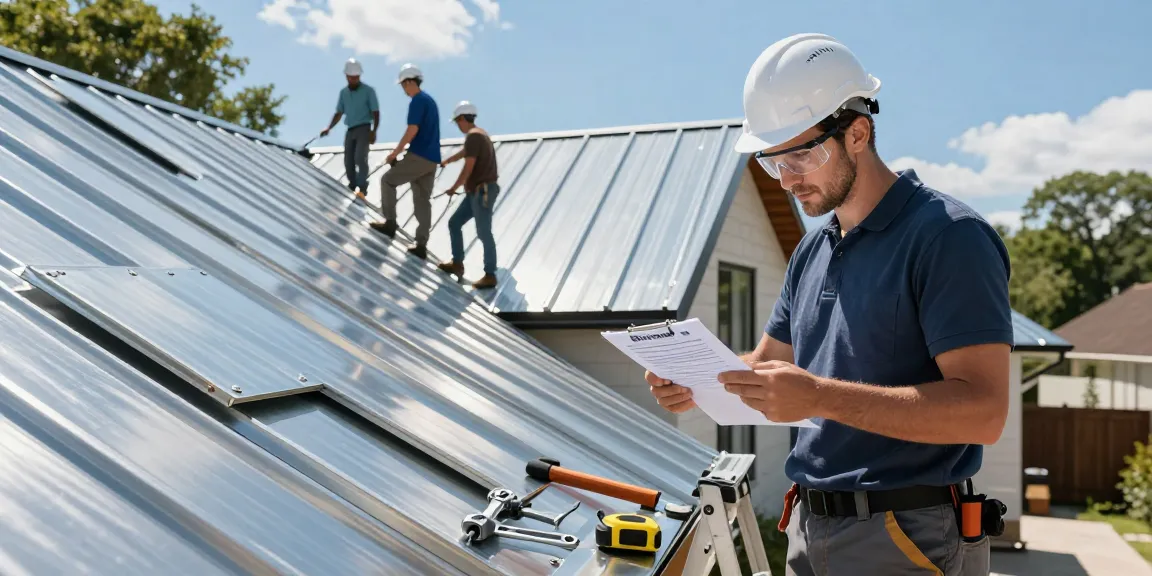
Understanding the Importance of Choosing a Metal Roof Company
When investing in a new roof, particularly a metal one, the stakes are high, given the significant financial and aesthetic implications. Metal roofs are renowned for their longevity and efficiency, making them a popular choice for homeowners across Canada. However, the quality of your roofing is heavily reliant on the contractor you choose. This article serves as a comprehensive guide for those choosing a metal roof company, outlining crucial factors to consider to ensure a successful installation.
Why the Right Contractor Matters?
Choosing the right contractor is pivotal for the durability and integrity of your metal roof. Poor installation can lead to a myriad of problems, including leaks, reduced energy efficiency, and even structural damage over time. An experienced contractor will have the skills to install various components correctly, such as metal panels, ridge caps, and flashing, which are essential for the overall performance of your roof. They not only ensure the aesthetic appeal of the installation but also adhere to best practices that protect your investment.
Long-term Benefits of Quality Metal Roofing
Investing in quality metal roofing with a skilled contractor offers long-term benefits. Metal roofs can withstand harsh weather conditions, such as heavy snow and ice, prevalent in the Canadian climate. They also provide excellent insulation, leading to lower energy costs. Furthermore, a well-installed metal roof can enhance the resale value of your home, making it a wise investment for homeowners looking for durability and efficiency.
Common Mistakes to Avoid When Selecting Contractors
Many homeowners fall into common pitfalls when selecting roofing contractors, such as primarily focusing on price rather than experience and reputation. It is crucial to evaluate a contractor’s history, read reviews, and request references. Ignoring the importance of licensing and insurance can also lead to serious liabilities. Always ensure that the contractor has the necessary qualifications and takes accountability for their work.
Evaluating Experience and Specialization in Metal Roofing
Understanding a contractor’s experience and specialization is vital in selecting the right company for your roofing needs. While many contractors may claim general roofing experience, metal roofing requires a distinct skill set. Therefore, it is essential to evaluate their expertise in metal roofing systems specifically.
Questions to Ask About Past Projects
Inquire about the contractor’s previous projects, specifically focusing on metal roofing installations. Ask for examples of their work, including photos, job addresses, or even references you can speak to. A reputable contractor should take pride in their work and have no issue providing evidence of their expertise.
Understanding Different Types of Metal Roofing Techniques
Metal roofing encompasses various styles and installation techniques, from standing seam to metal shingles. Each type requires different approaches and expertise. Understanding these distinctions can help you ask informed questions and assess the contractor’s ability to handle your specific project needs.
How to Verify a Contractor’s Expertise in Metal Roofing
To ensure the contractor is qualified, check for certifications from major metal suppliers, as many provide training and installation certifications for contractors. Inquire if the contractor has experience with both residential and commercial projects, as this demonstrates a broader skill set and problem-solving capability.
Licensing, Insurance, and Certification: Protecting Yourself
Before signing any contracts, it’s essential to verify that your chosen contractor holds the necessary credentials. This protects you from potential liabilities and ensures compliance with local building codes.
Key Credentials Your Metal Roofing Contractor Must Have
- A valid local business license to guarantee compliance with local regulations.
- Proof of general liability and worker’s compensation insurance to protect you against accidents on-site.
- Certification from manufacturers or a recognized professional trade organization, which indicates adherence to industry standards.
- A written warranty for both materials and craftsmanship to ensure coverage for any potential defects or issues.
Understanding Liability and Workers’ Compensation Policies
Understanding how liability and workers’ compensation policies work is crucial for protecting yourself during the roofing project. Liability insurance ensures that any damage caused by the contractor during the installation is covered. Workers’ compensation insurance protects you from being liable for any injuries the contractor’s team may suffer while on your property.
Importance of Warranty for Materials and Workmanship
A robust warranty is a non-negotiable aspect of hiring a roofing contractor. This should cover both the materials used and the workmanship. Carefully review what the warranty entails and ensure clarity on what is included or excluded. This can save you significant costs down the road should any issues arise.
Making Informed Financial Choices When Hiring a Contractor
Financial considerations are often a top priority for homeowners when hiring a roofing contractor. Understanding costs and payment structures can help you make an informed decision that balances quality and budget.
How to Request and Compare Quotes Effectively
When seeking quotes from contractors, ensure that each quote includes a detailed breakdown of materials, labor, and any additional costs. Comparing apples to apples is crucial; look for similar specifications to ensure you’re making informed comparisons. Be wary of bids that are significantly lower than others, as they may cut corners that could affect the quality of your roofing.
Understanding Payment Structures and Milestones
Discuss payment milestones with your contractor before work begins. Reliable contractors typically have clear payment structures, which include a deposit, progress payments, and a final payment upon completion and inspection of the work. Avoid contractors who push for full payment upfront or insist on cash-only transactions.
Assessing Value Beyond the Lowest Bid
While it’s natural to compare prices, it’s crucial to assess value rather than just the final cost. High-quality materials may cost more but often lead to fewer repairs and longer lifespans. Look beyond the price tag; consider the contractor’s reputation, the materials they use, and their warranty offerings.
Building a Lasting Relationship with Your Chosen Contractor
Once you’ve selected a contractor, building a positive working relationship can significantly enhance your overall experience and the outcome of your roofing project.
The Importance of Communication Throughout the Project
Maintain open lines of communication from the start to ensure that any concerns or changes can be addressed promptly. Good contractors will keep you informed about their progress, potential issues, or changes to the timeline, fostering a cooperative environment.
What to Expect During the Installation Process
Understanding what to expect during the installation of your metal roof can alleviate concerns and help you prepare your home for the project. A reliable contractor will provide a timeline and discuss the steps involved in the installation process, from removal of the old roof (if applicable) to the final inspection.
Post-Installation: Maintenance Tips for Your Metal Roof
To maintain the quality and longevity of your metal roof, consider scheduling regular inspections and cleanings to avoid debris buildup that can lead to corrosion and leaks. Additionally, addressing any minor repairs as they arise will help extend the life of your roof significantly.
What should I look for in a metal roofing contractor?
Look for experience, positive customer reviews, proper licensing and insurance, and strong warranty offerings. A contractor should be willing to provide references and detailed work examples.
How do I know if a metal roof is right for my home?
Consider factors such as climate, aesthetic preferences, budget, and the structural integrity of your home. Metal roofs are particularly beneficial in areas with heavy snowfall because of their durability and ability to shed snow.
What are the benefits of metal roofing compared to shingles?
Metal roofing typically lasts longer, is more resistant to severe weather, and provides better insulation than traditional shingles. Additionally, metal roofs are often more energy-efficient, reflecting heat rather than absorbing it.
How long does a metal roof last?
With proper installation and maintenance, a metal roof can last anywhere from 40 to 70 years, significantly outlasting traditional roofing materials.
What questions should I ask about warranties?
Ask about the duration and coverage specifics of the warranty, including what materials and workmanship are covered, any exclusions, and the process for making a claim.


